
Introduction
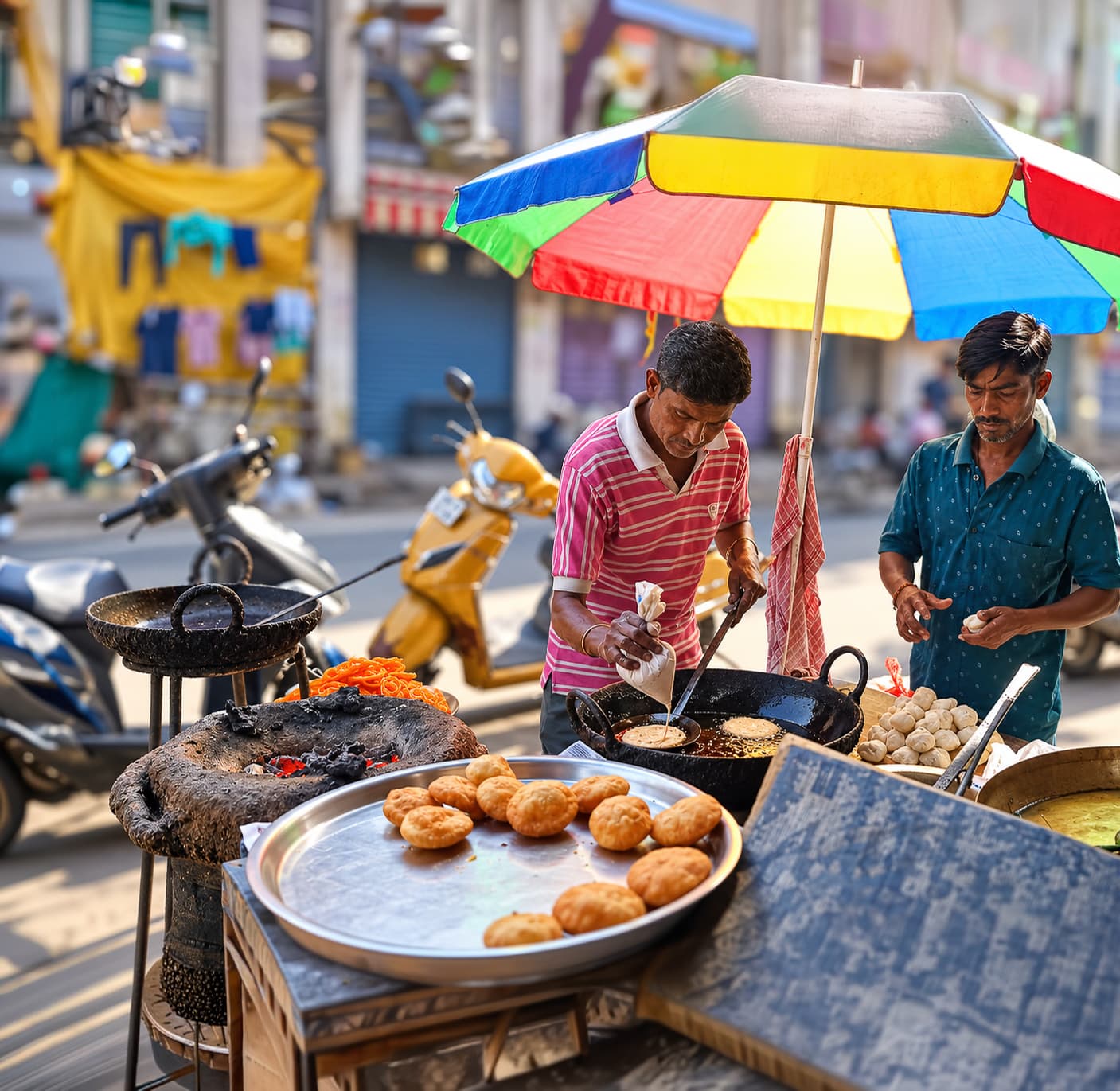
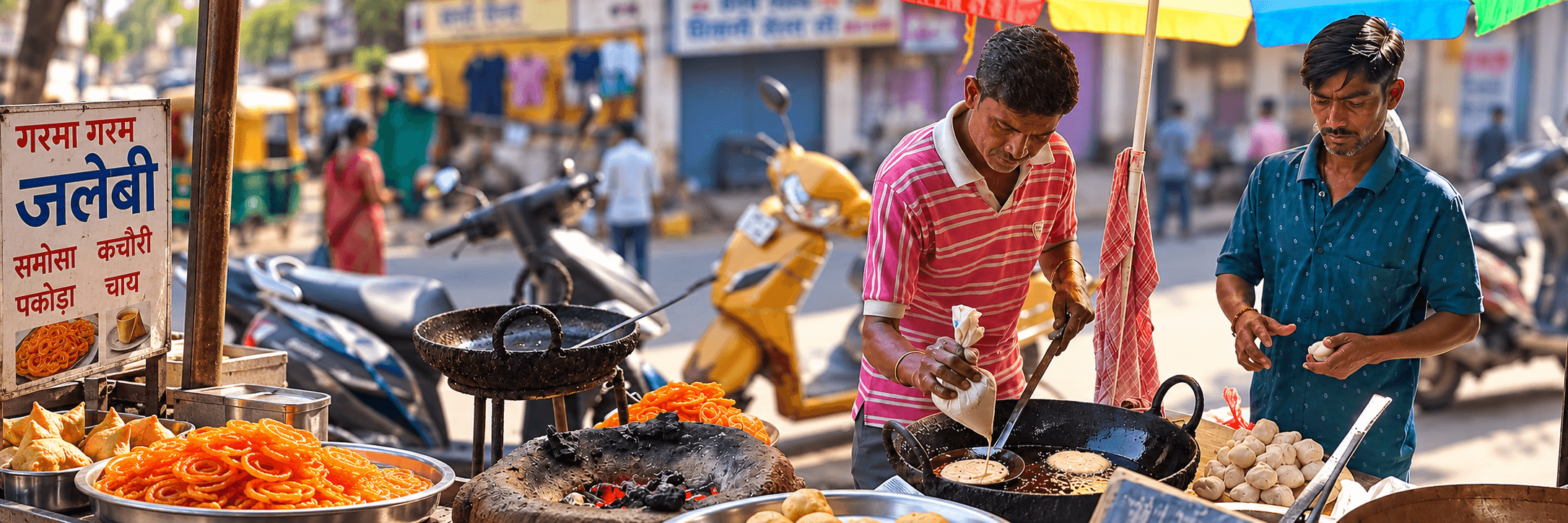
Halwai Community is a significant part of Indian society that has not only shaped our sweet-making culture but has also left an indelible mark on social and religious life for generations.
From birth to marriage, from celebrations to mourning – sweets hold importance on every occasion. The Halwai community has always regarded their craft not just as a profession but as a symbol of service and culture.
This community occupies a unique place in Indian culture due to their skill, patience, and mastery of taste.









Historical Origins and Mythological Tales of the Halwai Community
Many legends are associated with the origin of the Halwai community. According to some traditions, a person named ‘Bhalandan’ appeared by the will of Brahma, and his descendant ‘Modan’ initiated the tradition of sweet-making.
This story indicates that making sweets was considered not merely a culinary task but a symbol of divine will and prasadam (offering).
The scriptures and Puranas frequently mention sweets and confections. In the Mahabharata and the Bhagavat Purana, Balarama is described as a “Halvahi,” where his plowing symbolizes agriculture and production.
Similarly, the plow is associated with the hard work and productivity of the Halwai community in society.
Importance of Sweets in Religious and Social Occasions
In India, no celebration is considered complete without sweets. Laddus during Diwali, barfi during Raksha Bandhan, peda during Janmashtami, and modak during Ganesh Chaturthi – these sweets are not only about taste but also carry deep religious significance.
Diwali
Laddus
Raksha Bandhan
Barfi
Janmashtami
Peda
Ganesh Chaturthi
Modak
For centuries, the Halwai community has made every religious event special. Whenever offerings are made in temples, Halwai-made sweets are always part of the prasadam.
In weddings, guests are welcomed with sweets. This is why the Halwai community is regarded not just as food providers but as “creators of happiness” in society.
Regional Diversity and Traditional Identity of the Halwai Community
The vastness and cultural diversity of India have shaped the Halwai community in various forms. Different regions have preserved their own identity, names, and sweet-making traditions.
Uttar Pradesh / Bihar
Kanyakubja Halwai or Modanseeni
Bengal
Moira or Modak
Odisha
Gudiya
Each region has its unique sweets. Bengal's rasgulla and sandesh, Odisha's khirmohan, North India's peda and laddus, Maharashtra's modak - all these reflect the unique tradition and artistry of the Halwai community.
| Region / State | Prominent Halwai Identity | Famous Sweets | Speciality |
|---|---|---|---|
| Uttar Pradesh/Bihar | Kanyakubja Halwai, Modanseeni | Peda, Laddoo, Khurma | Emphasis on milk and khoya-based sweets |
| Bengal | Moira, Modak | Rasgulla, Sandesh, Chamcham | Sweets based on chhena and sugar |
| Odisha | Gudiya | Khirmohan, Chhena Poda | Unique blend of chhena and jaggery |
| Maharashtra | Modak-making Halwai | Modak, Besan Laddoo | Special sweets associated with Ganesh Puja |
| Rajasthan/Gujarat | Marwari Halwai | Ghevar, Moong Dal Halwa | Based on sesame, ghee, and pure desi taste |
| Delhi/Punjab | Punjabi Halwai | Jalebi, Gulab Jamun | Fried sweets with thick syrup taste |
Renowned Halwai Establishments and Cultural Impact
Several Halwai establishments in India historically have won the hearts of society with their sweets over centuries.
Ghantewala Halwai
Delhi's Ghantewala Halwai, established in the 18th century, has been a favorite from Mughal emperors to modern-day prime ministers.
Dagdusheth Halwai Ganpati Temple
Pune's Dagdusheth Halwai Ganpati Temple, founded by a famous Halwai, is a symbol of religious and social identity.
Chandu Halwai
Mumbai's Chandu Halwai, who migrated from Karachi, continues the tradition and remains a favorite among sweet lovers.
These establishments are not just sweet shops but cultural heritage sites, exemplifying the Halwai community's artistry and social service.
Sweet-Making: Not Just Art, But Science
The Halwai community has always approached sweet-making not merely as a culinary skill but as a blend of science and precision.
Milk
Thickening milk
Sugar
Cooking sugar syrup in exact proportions
Ingredients
Combining spices and dry fruits
All of these require a scientific approach. This is why Halwai sweets maintain consistent quality across generations.
Social Mobility and Modern Identity of the Halwai Community
Traditionally, the Halwai community was limited to sweet-making, but over time they have embraced education and new professional avenues.
Today, members of the Halwai community are doctors, engineers, professors, and successful entrepreneurs.
Yet, their roots remain deeply connected to sweet-making. Many, even after obtaining modern education, continue to run family sweet shops with innovative methods, showcasing a beautiful blend of tradition and modernity.
Multifaceted Contributions of the Halwai Community
| Aspect | Description |
|---|---|
| Mythological Origin | Story of Bhalandan and Modan, association with Balarama |
| Religious Significance | Special role of sweets in temples and festivals |
| Regional Diversity | Moira (Bengal), Gudiya (Odisha), Kanyakubja Halwai (North India) |
| Cultural Heritage | Establishments like Ghantewala Halwai, Dagdusheth Ganpati Temple, Chandu Halwai |
| Modern Contribution | Active participation in education, business, social service, and philanthropy |
Relevance in Modern Times
Even with the rise of modern sweets and bakery products, traditional Halwai sweets continue to shine. The reason: taste, trust, and tradition.
Be it birthday cakes or international desserts, Indian traditional sweets maintain a special place.
Halwai sweets are not just about filling the stomach but provide a soulful experience. This is why the community's contribution remains as significant in modern India as it was centuries ago.
Conclusion
The Halwai community is an invaluable part of Indian culture, preserving the art of sweet-making while connecting it to society and religion. Their craftsmanship has sweetened every festival, sanctified every offering, and strengthened every relationship.
Even today, this community bridges tradition and modernity. The Halwai art of sweets is not just a culinary delight but a symbol of Indianness.
Source of Content
Religious Service and Societal Contribution of the Halwai Community
The Halwai community is not limited to business. In many places, they have established charitable institutions, temples, and social trusts.
Pune's Dagdusheth Halwai Ganpati Trust is a prime example, serving millions of devotees every year.
Distributing Halwai-made sweets as prasadam in temples is not only tradition but also a form of social service. This community has always dedicated its art to both society and religion.